
MadOut 2: Grand Auto Racing
MadOut Games LLC FZRacing
4.212.11K Reviews
- Version
- 21.31
- Installs
- 100.00M
- Age Rating
- Mature 17+
Screenshots
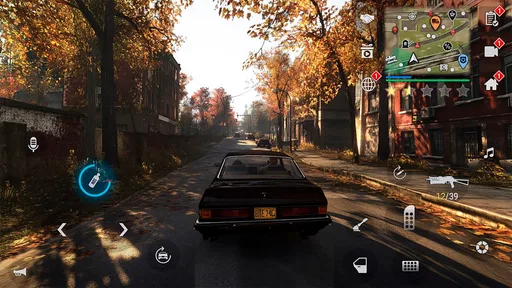
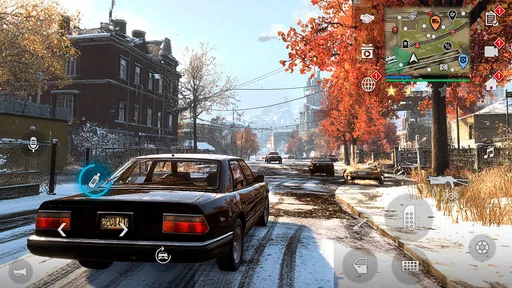
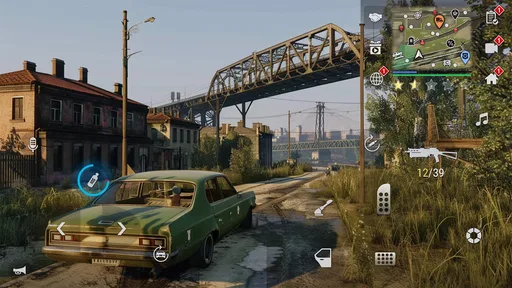
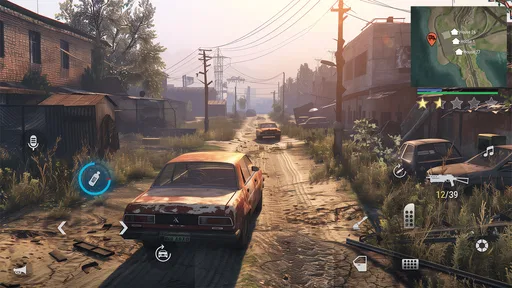
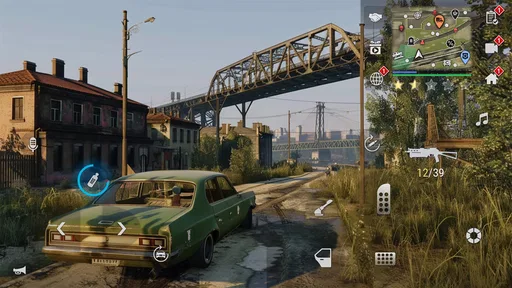
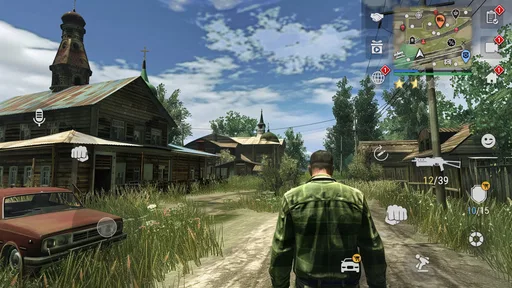
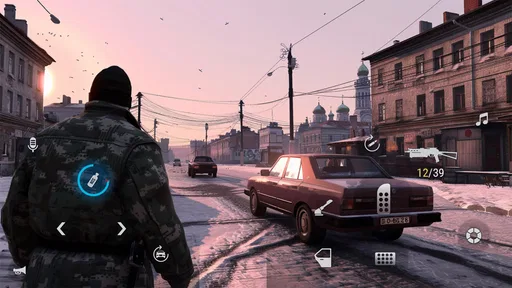
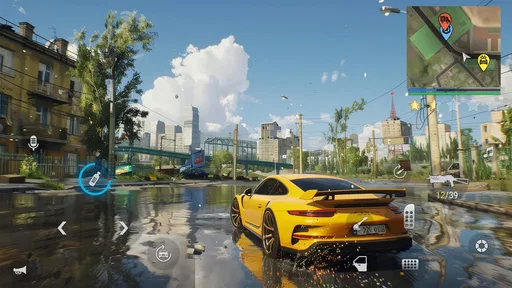
Our Review of MadOut 2: Grand Auto Racing
 Analysis by Appyee
I spent time with MadOut 2: Grand Auto Racing as an open-world racing game with a criminal sandbox wrapped around it, and my first impression was that it aims for chaos rather than a carefully controlled driving simulation. You are not simply choosing a track, completing a few clean laps, and moving on. The appeal comes from moving through a large city, finding trouble, driving aggressively, and deciding how much disorder you want to create in a single session.
That combination gives it a very different personality from a traditional mobile racer. The driving is only one part of the experience, while the city and gangster theme provide the setting for everything else. I found it most enjoyable when I treated it as a playground: start with a quick drive, take an unexpected route, and see where the next chase or collision leads. If you want a focused time-trial game, this may feel unfocused. If you like open-ended driving with crime-themed action, it has a much stronger case.
What the city-driving concept feels like in practice
The game comes from MadOut Games LLC FZ and sits in the racing category, although that label only tells part of the story. Its identity is closer to an open-world action racer, where cars, movement, and criminal activity share the same space. That matters because the best sessions are not necessarily the ones where I drive perfectly. They are the ones where I make a plan, lose that plan almost immediately, and still find something entertaining to do.
The city setting gives ordinary driving a purpose. A short session can mean taking a car out for a fast run, testing how confidently you can move through busy-looking areas, or simply exploring until the action finds you. This makes the game suitable for players who enjoy improvisation. It is less suitable for anyone who needs a clear sequence of polished races with a predictable beginning and end.
The gangster theme also affects the mood. This is not a gentle arcade racer designed for every age group. The mature rating of 17+ is important for families and younger players, especially because the game presents crime and violent urban action as central parts of its identity. I would not recommend installing it on a child’s device simply because it is free to download.
At no purchase price, it is easy to try without committing money at the start. However, optional purchases range from 49 cents to 99.99 dollars per item, so I would approach the in-game economy carefully. My advice is to play long enough to understand the normal progression before buying anything. A free entry point is useful, but it does not automatically mean the whole experience is free from spending pressure.
Why the open-world format changes the pace
In a conventional racing game, speed is easy to judge because the road, opponents, and finish line all point in the same direction. Here, speed feels more situational. A straight road can make the cars feel exciting, while a crowded or awkward section can turn the same vehicle into something difficult to control. The enjoyment comes from adapting rather than maintaining a perfect racing line.
I also noticed that the game rewards short bursts of attention. I could play for a few minutes and still get a complete little story out of the session: leave an area, drive hard, cause trouble, escape, and stop. Longer sessions are possible, but they demand more patience because the open-world structure can make the action feel less focused than a dedicated track racer.
That is one of the first trade-offs to understand. The freedom creates memorable accidents and unexpected routes, but it also removes some of the precision that racing specialists expect. Players who enjoy games built around clean handling, exact braking points, and carefully balanced circuits may find the city more distracting than engaging.
Handling speed during crowded, chaotic moments
The most demanding moments are not necessarily the fastest ones. A long straight stretch is usually easier to read than a crowded scene involving several vehicles, sudden direction changes, and action happening around the player. In those situations, I found it more useful to protect momentum than to chase maximum speed. A slightly slower line that keeps the car pointed correctly can be more valuable than a reckless shortcut that ends in a collision.
One practical habit helped me: I treated unfamiliar areas as reconnaissance rather than as a race. On the first pass, I watched for turns and obstacles. On the second, I pushed harder. This is a simple approach, but it suits a city game better than trying to drive at full speed immediately. It also reduces the frustration of repeating the same mistake without understanding why it happened.
Another useful trade-off is choosing when to continue a chase and when to reset your plan. The criminal sandbox encourages escalation, but not every encounter improves by becoming bigger. When the scene became too messy, leaving the area and starting a fresh drive often produced a better session than forcing an already-disorganized situation.
What happens when the game is used heavily
Longer play sessions put more pressure on both the player and the device. A game with open-city driving, vehicles, and action happening in the same environment naturally asks more from a phone or tablet than a simple two-dimensional racer. I would expect the difference between a comfortable device and an older entry-level one to become more noticeable during busy scenes, especially when the player keeps moving without pausing.
I am careful not to treat every slowdown as a permanent problem. Heavy action can make any large mobile game feel less consistent, and a device that has been running several demanding apps may have less room to work comfortably. Before judging the game, I would close unnecessary apps, let the phone cool down, and try a shorter session. If the experience improves, the issue may be the overall device workload rather than the game alone.
For everyday use, I would divide play into two styles. Short drives are the safer choice when I am waiting for transport or taking a quick break. Extended city sessions are better when the phone has enough battery and the player is comfortable with the possibility of heat or reduced smoothness over time. That is not a reason to avoid the game, but it is a reason to set realistic expectations.
Recovery is also part of the experience. If an intense moment goes badly, I prefer to stop, return to a calmer area, and rebuild the session rather than immediately repeating the same chaotic move. This makes the game feel less exhausting. The open-world design gives you room to recover mentally, which is a strength compared with racers that send you straight back into a strict event after every mistake.
Stability and the practical side of playing
The game has been available since May 1, 2017, and its current version is 20.44. That history suggests an established title rather than a brand-new experiment, while the large player base gives it a sense of relevance in the mobile racing space. It has an average rating of 4.2 from around 1.2 million ratings, and more than 100 million installs, so many people have at least been willing to try the experience.
Those figures do not guarantee that every device will run it identically, but they do make the game easier to approach than an unknown release. I would still keep expectations device-specific. The minimum operating system is Android 8.0, which is useful information for anyone using an older phone. Meeting that requirement means the game can be installed from a software-version perspective, not that every older device will deliver the same level of comfort.
When a game is this open-ended, reliability is not only about whether it launches. It is also about whether a session remains enjoyable when the player moves quickly between driving, exploration, and trouble. I value a game more when it lets me recover from a poor start without making the whole session feel wasted. MadOut 2 benefits from that flexibility because there is rarely only one way to spend the next few minutes.
Still, the loose structure can create its own friction. A player looking for a clear objective may wonder what to do next, while someone who enjoys self-directed play may see that same openness as the main attraction. I would describe the reliability of the experience as closely tied to your expectations: it works better when you accept the sandbox instead of demanding the discipline of a circuit-based racer.
Device limits, storage habits, and comfort
Because this is a visually active city game, I would install it on a device with comfortable free space and avoid beginning a long session when the battery is already low. I cannot promise a particular battery result across all phones, since screen brightness, processor design, background activity, and battery health all change the outcome. The sensible approach is to watch how your own device behaves during a short trial before planning extended play.
Older hardware is where I would be most cautious. The Android requirement is not especially demanding on paper, but operating-system compatibility and smooth gameplay are different questions. A phone may support Android 8.0 while still struggling with a large, active environment. If the device already has trouble with other modern 3D games, I would not choose this as the first title to test its limits.
Controls are another device-related consideration. A larger screen can make a city-driving game easier to read, while a smaller display may feel cramped when the action becomes crowded. I found that relaxed sessions work better when I do not grip the phone too tightly or try to make every turn perfect. The game’s appeal is its reckless energy, but that energy can become tiring if you fight every movement.
I would also avoid judging performance during the first few seconds after launching. Let the device settle, then try a normal drive and a busier sequence. That two-step check is more useful than deciding based on one quiet street. It gives you a better idea of whether the game remains comfortable when the city becomes the center of the action.
How it compares with ordinary mobile racing games
Compared with track racers, MadOut 2 gives up some precision in exchange for freedom. Traditional racing games are usually better when I want a quick, structured challenge with obvious goals and a clean sense of progress. They are easier to recommend for short competitive sessions because the rules of the activity are immediately clear.
Compared with pure open-world driving games, this title leans harder into its criminal action identity. The city is not just scenery for a peaceful road trip. It is the stage for aggressive driving and trouble, which gives each trip a more unpredictable tone. That makes it a better fit for someone who wants driving to feel connected to a larger action fantasy rather than isolated from it.
The compromise is focus. A dedicated racer can make a single corner feel meaningful. Here, the memorable moment may instead be an unplanned escape, a collision, or a route that only worked because the situation became chaotic. I personally prefer the latter when I want variety, but I would choose a conventional racer when I am in the mood to improve lap times or compare careful driving with other players.
Who will enjoy it, and who should skip it
I would recommend this game to players who like open-world movement, cars, crime-themed action, and sessions that can change direction without warning. It is especially appealing if you enjoy making your own goals: explore an area, drive aggressively, test a route, or create a short story from whatever happens next.
I would be more hesitant to recommend it to younger players because of the 17+ content rating. I would also suggest skipping it if you want a calm driving game, a realistic simulator, or a tightly organized series of races. The title is built around a “big mad city” fantasy, and that tone is not a minor decoration that can be ignored.
Players with limited storage, older hardware, or poor battery health should try it cautiously. A short test session can answer more than a generic performance promise. If the phone becomes uncomfortable quickly with other demanding games, a lighter racing alternative will probably be a better everyday choice.
My practical way to get more from each session
I get better results when I decide what kind of session I want before starting. For a quick break, I choose a simple drive and avoid turning every encounter into a major pursuit. For a longer session, I explore first, learn the roads, and only then attempt more ambitious routes. This small distinction prevents the game from feeling aimless.
I also recommend separating experimentation from progression. Use one session to test how the car behaves in tight spaces and another to focus on getting somewhere efficiently. Trying to learn the city, drive perfectly, and handle every piece of action at once can make the experience feel harder than it needs to be.
Finally, be deliberate with spending. Since optional items can cost from 49 cents up to 99.99 dollars, I would not buy anything during the first excited session. Play free, decide whether the core driving and sandbox loop genuinely hold your attention, and only then consider whether an optional purchase adds enough value for your habits.
My performance verdict
My overall view is that MadOut 2 works best as a high-energy mobile sandbox with racing at its center, not as a precision racing simulator. Perceived speed can be exciting on open roads, while crowded action demands patience and a willingness to accept imperfect control. Heavy use is likely to reveal the limits of weaker devices sooner than a simple racer would, so hardware comfort matters.
The game’s scale and established audience make it worth trying for fans of open-city driving, especially because the download itself is free. The mature presentation, optional spending range, and potentially demanding city action mean I would not install it blindly on every phone or recommend it to every player. I would test it briefly, check how the device handles a busy session, and decide from there.
For me, the strongest reason to keep it installed is the freedom to turn a few minutes behind the wheel into an unpredictable story. The weakest reason would be expecting perfect racing discipline. If you want a controlled track experience, choose a dedicated racer. If you want cars, crime-themed chaos, and a city where the next few minutes are largely yours to shape, MadOut 2: Grand Auto Racing is a convincing free option, provided your device and your expectations are ready for its heavier, messier style.
Privacy and Permissions
See what permissions an app requests and how it handles your data.
- Photos/Media/Files
- read the contents of your USB storage, modify or delete the contents of your USB storage
- Storage
- read the contents of your USB storage, modify or delete the contents of your USB storage
- Microphone
- record audio
- Wi-Fi connection information
- view Wi-Fi connections
- Other
- view network connections, pair with Bluetooth devices, allow Wi-Fi Multicast reception, full network access, change your audio settings, control vibration, prevent device from sleeping, Google Play license check
Verdict
Strengths of MadOut 2: Grand Auto Racing
- Large open world with plenty of areas to explore and discover.
- Offers both racing events and free-roaming action gameplay.
- Supports online multiplayer for competing and interacting with other players.
- Wide selection of vehicles with different handling and performance.
- Vehicle customization adds variety and personal progression.
Limitations of MadOut 2: Grand Auto Racing
- Frequent ads can interrupt gameplay, especially in the free version.
- Controls may feel imprecise during high-speed driving and tight turns.
- Online sessions can suffer from lag depending on connection quality.
- Some upgrades and vehicles require significant grinding or purchases.
- Graphics and animations look dated on newer high-end devices.
Similar Picks in This Category
View All
Hill Climb Racing
Fingersoft4.3

Dr. Driving
SUD Inc.4.2

Traffic Rider
skgames4.5

Asphalt 8 - Car Racing Game
Gameloft SE4.6

Race Master 3D: Car Racing
Beresnev Games4.6

Extreme Car Driving Simulator
AxesInMotion Racing4.3
Frequently Asked Questions
What is MadOut 2: Grand Auto Racing?
MadOut 2: Grand Auto Racing is an open-world driving and action game for Android and iOS that combines street racing, vehicle customization, shooting, exploration, and multiplayer gameplay. After entering the large city map, you can drive different cars, complete activities, interact with other players, and cause plenty of chaos. It is designed for players who enjoy arcade-style driving rather than a realistic racing simulator.
Can MadOut 2: Grand Auto Racing be played offline?
Some parts of MadOut 2 can be enjoyed without a constant internet connection, depending on the version and device, but the online multiplayer experience requires internet access. Offline availability may also change after updates or differ between Android and iOS. If you want to play with other users, access online events, or use connected features, a stable Wi-Fi or mobile data connection is recommended.
Is MadOut 2: Grand Auto Racing free to download?
MadOut 2: Grand Auto Racing is generally available as a free download, although the game may include advertisements, optional purchases, or other monetization features. You can begin playing without paying upfront, but some items, upgrades, or conveniences may require additional spending. Before downloading, check the current store listing for the exact in-app purchase details and supported payment options.
What devices are required to run MadOut 2 smoothly?
Because MadOut 2 features a large open world, numerous vehicles, traffic, combat, and multiplayer activity, it performs best on a relatively modern phone or tablet with sufficient RAM and free storage. Older or entry-level devices may experience lower frame rates, longer loading times, heat, or occasional crashes. Keeping the operating system and game updated can also improve compatibility and stability.
Does MadOut 2: Grand Auto Racing support multiplayer gameplay?
Yes, multiplayer is one of MadOut 2’s main attractions. Players can enter shared online environments, drive around the city, compete in races, and participate in action-focused activities with other users. The experience can be unpredictable because it depends on the active player community and connection quality. Online play may also consume considerable data, so Wi-Fi is preferable for longer sessions.
Play our best games!


